

Target Keywords: custom broadcast desk · modular studio desk · world cup pop-up studio
Reading Time: ~8 minutes | Last Updated: April 2026

A fully equipped broadcast studio — the standard that World Cup pop-up productions aim to replicate.
Introduction: The Clock Is Ticking for World Cup 2026 Studios
The 2026 FIFA World Cup kicks off on June 11 and runs through July 19 — spanning 39 days, 104 matches, and 16 host cities across the United States, Canada, and Mexico. For broadcasters, sports podcasters, YouTube commentators, and corporate media teams, that window represents both an enormous opportunity and a tight logistical challenge.
One of the first decisions any production team faces: Do you invest in a custom broadcast desk, or do you deploy a modular studio desk system?
This isn’t a trivial question. Your desk is the centerpiece of every frame. It signals authority, professionalism, and brand identity — before a single word is spoken. Get it wrong and even the best content looks amateur. Get it right and you look like you belong on the same screen as ESPN or BBC Sport.
This guide breaks down the real-world tradeoffs between custom broadcast desks and modular studio desk systems, specifically through the lens of World Cup pop-up studio demands.
What Is a Custom Broadcast Desk?
A custom broadcast desk is purpose-built to your exact specifications. Dimensions, materials, finish, cable management channels, monitor risers, lighting integration, and logo panels — every element is engineered for your brand and workflow.
Think of the signature anchor desks you see at Fox Sports, Sky Sports, or ESPN. That curved, backlit, monolithic structure doesn’t come off a shelf. It’s designed, fabricated, and installed as a single cohesive unit.
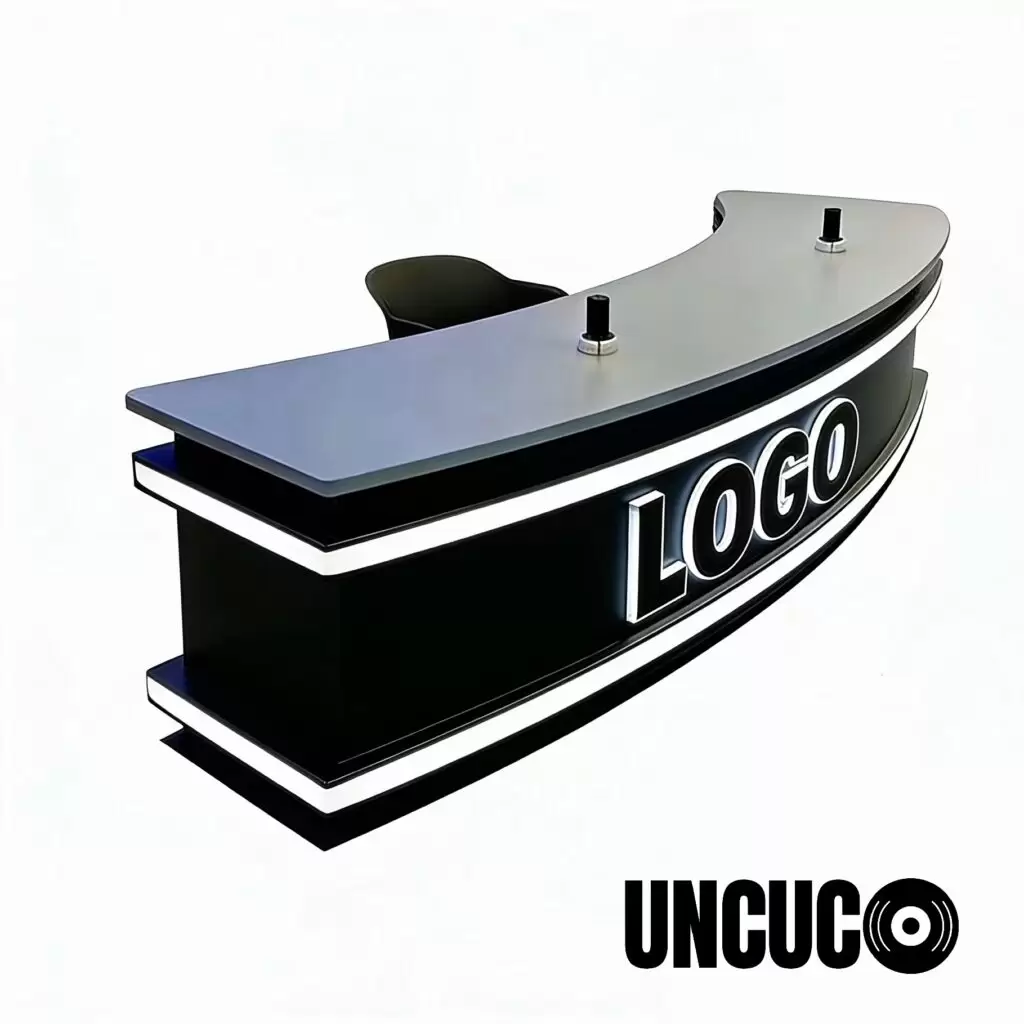
Custom broadcast desks are designed as brand statements, not just functional surfaces.
Pros of a Custom Broadcast Desk
-
- Maximum visual impact — your desk becomes a recognizable brand element
- Perfect fit for your exact studio dimensions and camera angles
- Integrated cable management — no visible wire clutter on-air
- Premium materials and finishes — low-reflectance surfaces engineered for 4K broadcast
- Built-in features — monitor mounts, microphone booms, LED panels, glass tops, and custom signage
- Long-term investment — built to last years, not seasons
Cons of a Custom Broadcast Desk
-
- Longer lead time — typically 4–10 weeks from order to delivery
- Higher upfront cost — starts significantly higher than off-the-shelf options
- Fixed configuration — difficult to reconfigure for different layouts
- Transportation challenges — large, heavy, and not designed for frequent relocation
What Is a Modular Studio Desk System?
A modular studio desk is built from interchangeable, standardized components that can be assembled, disassembled, and reconfigured as needed. Think of it like professional-grade LEGO for broadcast environments.
Modular systems typically include stackable desk sections, detachable panels, portable cable channels, and clip-on accessories. They’re designed for teams that need professional results without a permanent studio infrastructure.

Modular desk systems offer rapid deployment — ideal for pop-up broadcast environments.
Pros of a Modular Studio Desk
-
- Fast deployment — can be assembled in hours, not days
- Portable and lightweight — ships in flat-pack or road cases
- Reconfigurable — adapt the layout for different shows, sets, or venues
- Lower cost per deployment — especially for short-term or multi-location use
- Scalable — add sections as your production grows
Cons of a Modular Studio Desk
-
- Less visual customization — brand identity often added via panels or wraps (not built-in)
- Visible seams and joins — may require dressing to look polished on camera
- Structural limitations — some systems aren’t rated for heavy broadcast equipment loads
- Requires skilled assembly — a poorly assembled modular desk can look worse than a budget fixed desk
The Special Demands of a World Cup Pop-Up Studio
A World Cup pop-up studio is not a standard production environment. It combines the aesthetic expectations of a permanent broadcast set with the logistical constraints of a temporary installation. Here’s what makes it uniquely challenging:

With 16 host cities and 104 matches, the 2026 World Cup creates unprecedented demand for temporary broadcast infrastructure.
1. Speed of Setup and Teardown
Host city venues and broadcast positions are often shared across multiple networks. Setup windows can be as short as 12–24 hours. A modular system wins here — it can be assembled by a small crew without specialized tools.
2. Multi-City Deployment
Many media organizations are covering matches in Dallas, Los Angeles, New York, Miami, and beyond. A custom desk stays home. A modular system travels with you.
3. On-Camera Professionalism
World Cup audiences are massive. Your setup is being compared — consciously or not — to the biggest broadcasters in the world. A custom desk delivers a higher baseline of visual credibility. A well-configured modular desk with the right finish and branding can get close, but it requires investment in dressing and styling.
4. Equipment Load
4K cameras, multi-monitor stacks, broadcast intercom systems, UPS units — a pop-up broadcast desk needs to handle serious equipment weight and cable density. Both systems can accommodate this, but custom desks are typically engineered with higher load ratings from the start.
5. Branding Under Pressure
When you’re live on air from Dallas during the Group Stage and then in Miami for the Knockout Rounds, brand consistency matters. Custom desks provide it structurally. Modular systems require branded wraps, panels, or backdrops to achieve the same effect.
Cost and Flexibility: Side-by-Side Analysis
Factor Custom Broadcast Desk Modular Studio Desk Upfront Cost $$$$ $$ – $$$ Lead Time 4–10 weeks 1–3 weeks (stock) Setup Time (on-site) ½ day to full day 2–6 hours Teardown Time Same as setup 1–3 hours Transportability Difficult (freight) Easy (flat-pack / road case) Visual Impact Very High Medium–High (with dressing) Reconfigurability Low High Lifespan 5–10+ years 3–7 years (depending on use) Best For Permanent or semi-permanent studios Pop-up, touring, multi-venue
Installation Time vs. Stability: The Real Tradeoff
This is where many buyers underestimate the stakes.
A custom broadcast desk is typically installed by the manufacturer or a specialist crew. Once it’s bolted to the floor or wall-anchored, it is structurally rock solid. There is zero wobble on camera, zero flex under equipment weight, zero concern about on-air instability.
A modular system relies on interlocking connections and, in some designs, leveling feet on potentially uneven temporary flooring. For static installations — a hotel ballroom, a convention center, a temporary media hub — a quality modular desk performs excellently. For high-vibration environments (outdoor broadcast positions near stadium noise, elevated platforms) you need to verify the manufacturer’s stability ratings.
Pro Tip: If you’re ordering a modular desk for World Cup pop-up use, ask specifically about load-bearing capacity per surface section and the maximum recommended height for equipment stacks. The difference between a 30 kg and 60 kg-rated surface matters when you’re running dual 32” monitors plus a laptop stack.
Who Should Choose a Custom Broadcast Desk?
A custom broadcast desk is the right investment if:
-
- You operate a permanent or semi-permanent studio and want to broadcast the World Cup from your home base
- You’re a local TV station, sports network, or corporate media team that needs to project maximum visual authority
- You have a clear brand identity to encode into the desk design (color, material, logo panels)
- Your World Cup coverage will anchor longer-term programming beyond the tournament itself
- Your timeline allows 6+ weeks from order to installation

Custom desks are an investment in your studio identity — best suited to teams with a permanent base.
Who Should Choose a Modular Studio Desk?
A modular studio desk is the right choice if:
-
- You need to cover matches in multiple host cities and require portable infrastructure
- You’re a sports podcaster, YouTube channel, or digital-first media brand building a pop-up commentary studio
- Your budget prioritizes flexibility over visual maximalism
- You need the desk delivered and ready within 2–4 weeks
- You’re building a “World Cup pop-up studio” that will transform back into a regular workspace after July 19
Hybrid Approach: The Best of Both Worlds
For organizations with the resources and the need, a hybrid strategy is increasingly common:
-
- Custom anchor desk at your primary broadcast location (home studio or flagship city)
- Modular desk systems deployed to secondary host cities and field positions
This approach lets your flagship broadcast carry full visual weight while keeping field operations fast and cost-effective. You use the same brand panel wraps, background systems, and lighting rigs across all locations to maintain visual consistency.
FAQ: Custom vs. Modular for World Cup Studios
Q: Can a modular desk look as good as a custom desk on camera?
Yes — with the right investment in finish quality, branded panels, and professional lighting, a premium modular system can appear nearly indistinguishable from a custom build on most camera systems. The difference becomes more apparent in wide shots and high-resolution footage.
Q: How far in advance should I order for the June 11 World Cup opener?
For a custom broadcast desk, order no later than mid-April 2026 to allow for fabrication and delivery. For a modular system, most manufacturers can deliver within 2–3 weeks, giving you flexibility until early May.
Q: What finishes work best for 4K broadcast environments?
Matte, low-reflectance finishes are essential. High-gloss surfaces create lighting artifacts and hotspots that are difficult to correct in post. Look for surfaces rated below 10% reflectance for broadcast use.
Q: Are there modular desks rated for outdoor or semi-outdoor broadcast positions?
Some modular systems are engineered with weather-resistant components for outdoor use. Always specify your environment when ordering — standard indoor systems are not rated for humidity, temperature swing, or direct sun exposure.
Q: Can I brand a modular desk with my network’s identity?
Absolutely. Most quality modular systems accept printed vinyl wraps, custom-fabricated face panels, and integrated LED trim that can be programmed to your brand colors.
Conclusion: Make the Right Call Before Kickoff
The 2026 FIFA World Cup is a once-in-a-generation opportunity for content creators, broadcasters, and sports media brands of every size. Your desk is your stage — and the choice between a custom broadcast desk and a modular studio desk is ultimately a choice between permanence and flexibility.
-
- Choose custom if you’re building for the long game — a studio that will outlast the tournament and anchor your brand for years.
- Choose modular if you’re building for the moment — agile, multi-city, World Cup pop-up coverage that gets you on-air fast.
Either way, the time to act is now. The best configurations sell out, fabrication queues fill up, and the teams that start planning in April will be the ones broadcasting in June.
Ready to Build Your World Cup Studio Setup?
Whether you need a one-of-a-kind custom broadcast desk or a professional modular system that deploys anywhere, our team works with broadcasters, podcasters, and media organizations of all sizes.
📩 Request a Custom Configuration Consultation →
Tell us your host city, your setup timeline, your equipment list, and your budget — and we’ll spec the right solution for your World Cup coverage.
👉 Contact Us for a Free Studio Design Consultation


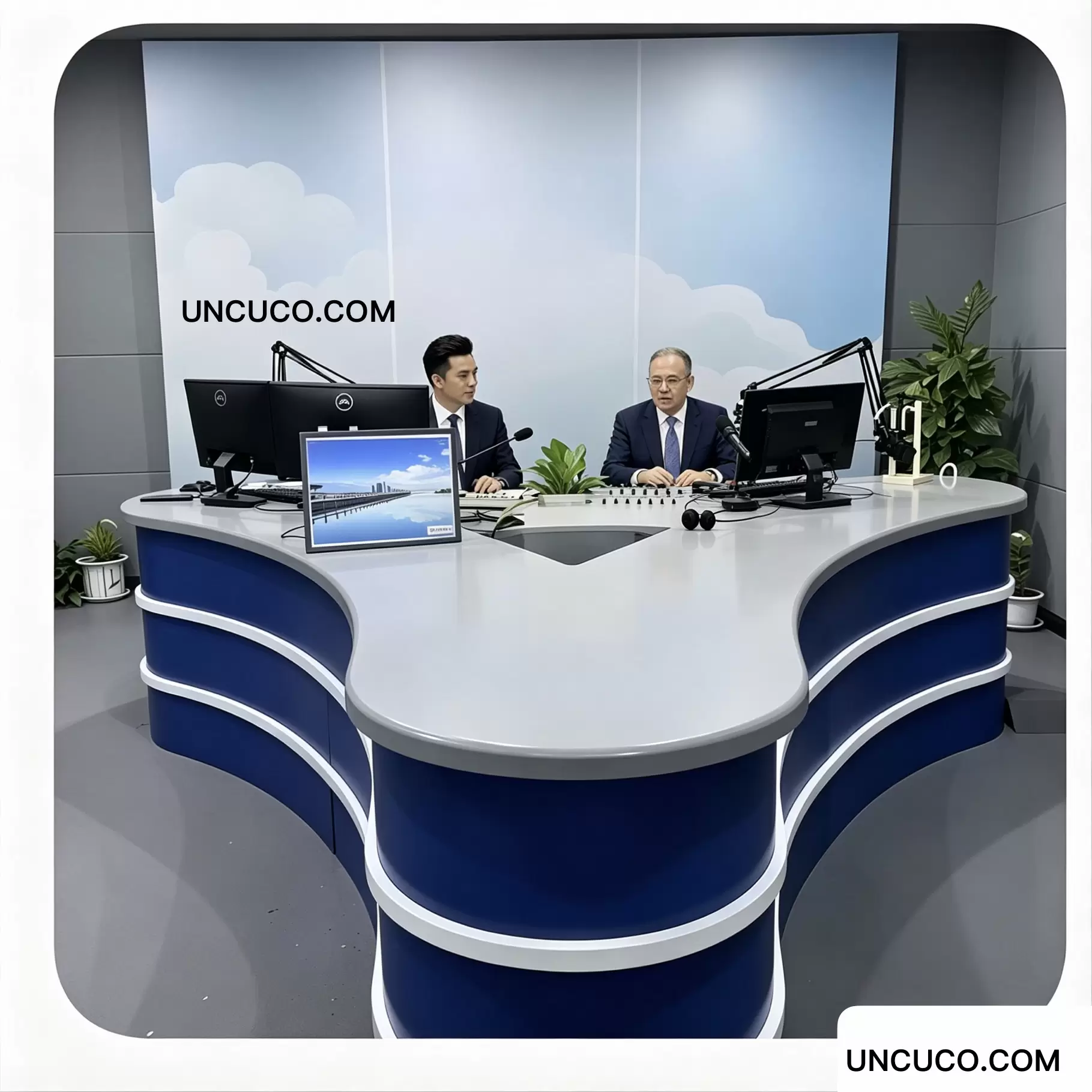


UNCUCO T-01 Studio Live Anchor News Table For TV Broadcast Station
Price range: $1,082.00 through $1,789.00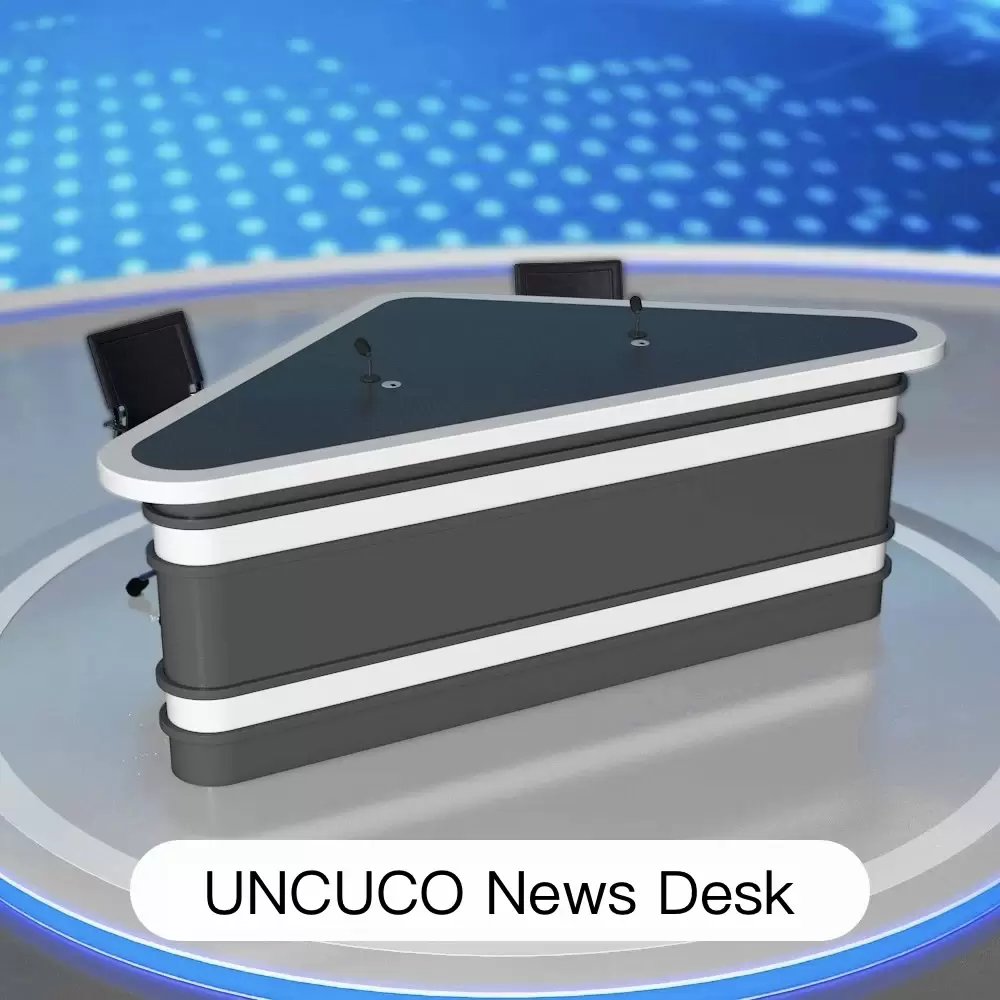

UNCUCO T-02 Triangle Style News Anchor Desk For TV Broadcast
Price range: $1,293.00 through $1,699.00
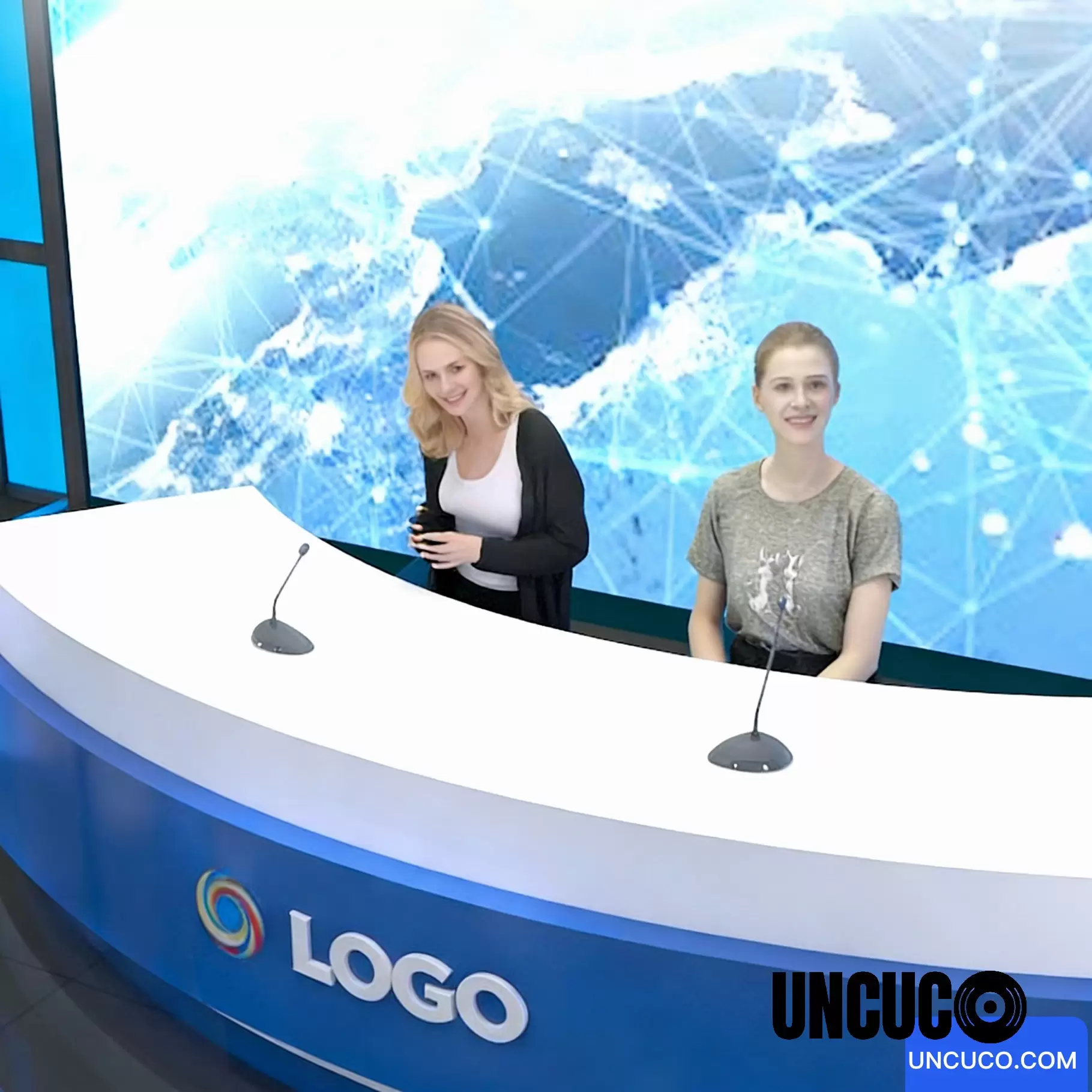
UNCUCO T-03 Anchor News Desk Table For Video Studio TV Station Broadcasting
Original price was: $1,830.00.$1,490.00Current price is: $1,490.00.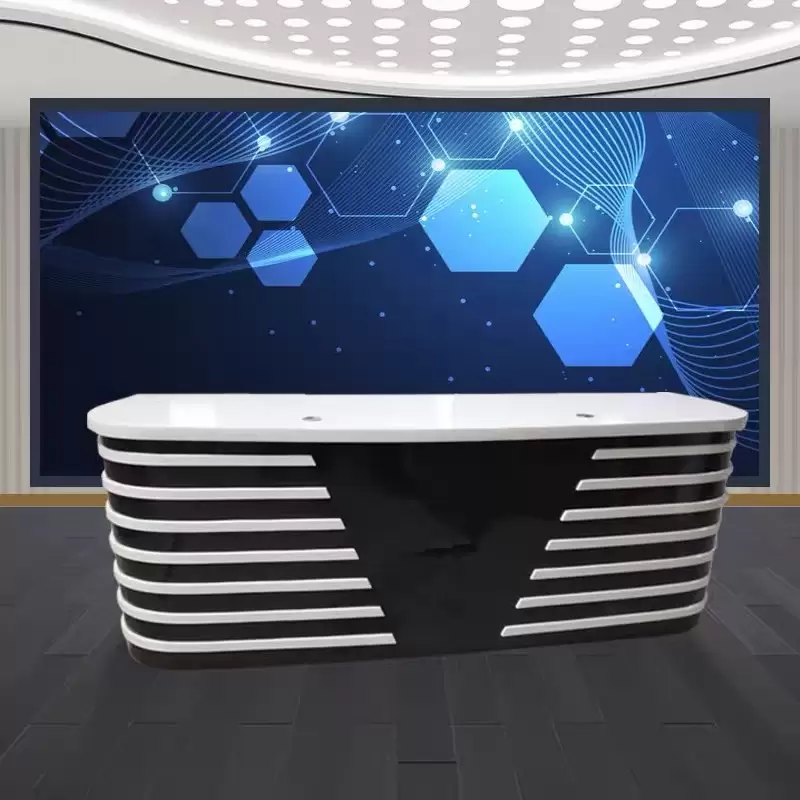


UNCUCO T-05 Modern LED Design Anchor Desk for Studios Broadcasting Live Interviews Newscast
Original price was: $1,880.00.$1,295.00Current price is: $1,295.00.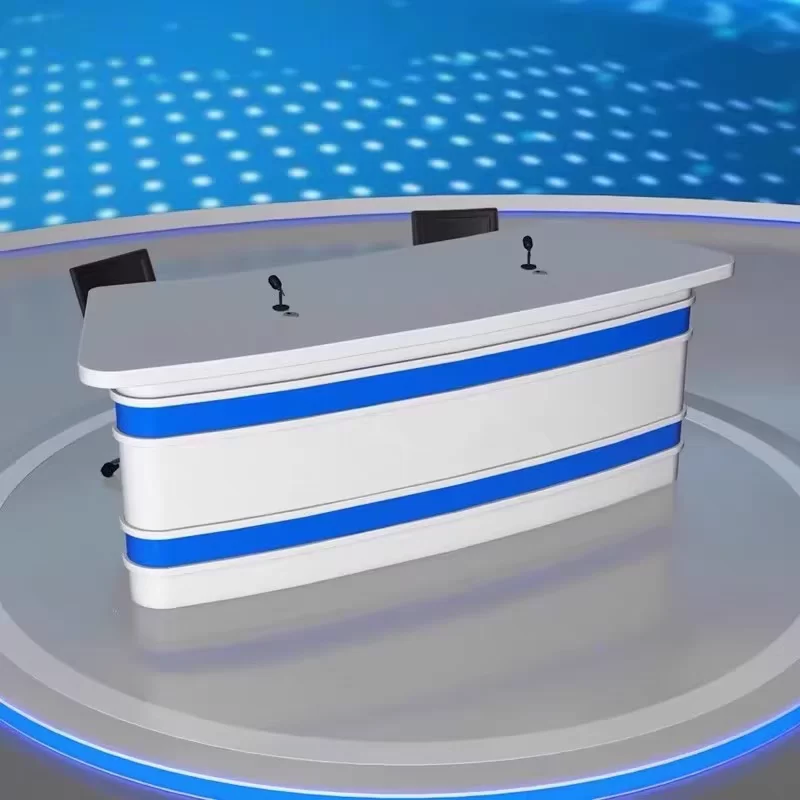

UNCUCO T-06 Broadcast Studio Desk for Live Streaming & Media Production
Price range: $1,187.00 through $1,479.00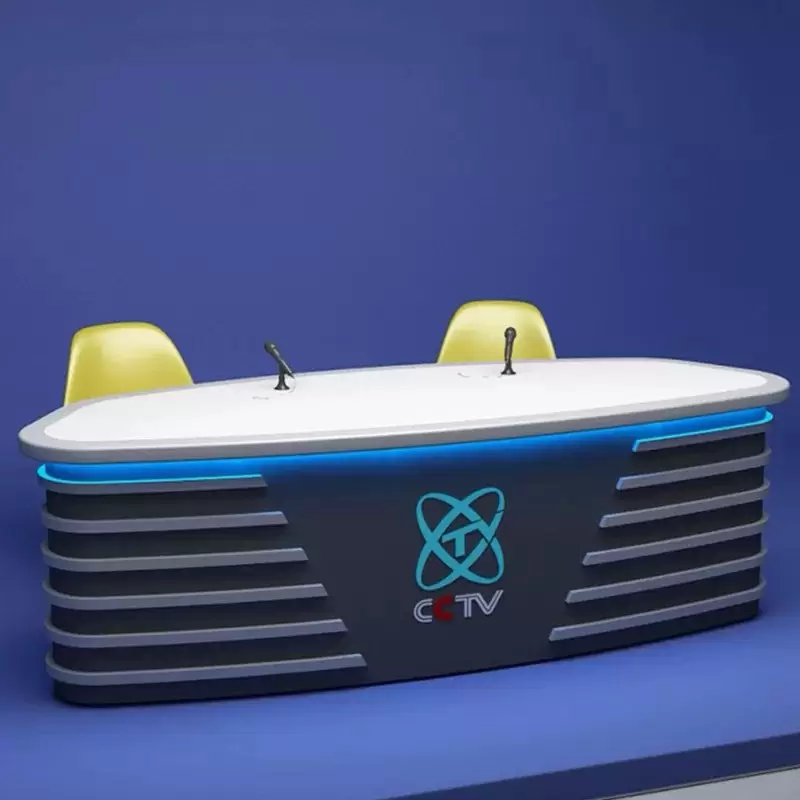
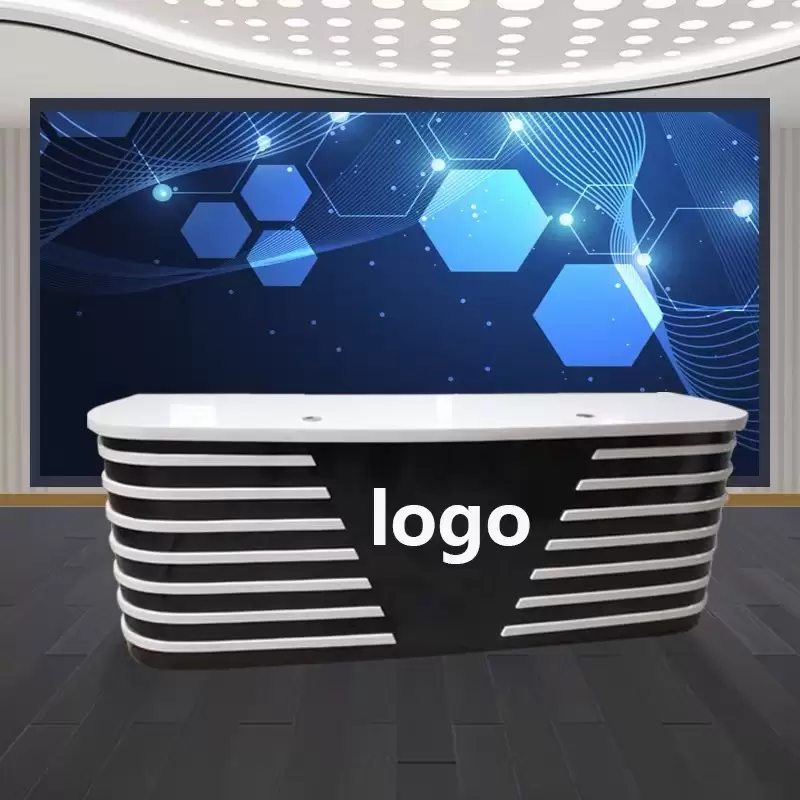
UNCUCO T-07 TV News Anchor Desk & Table Studio Control Desk For Live Events
Original price was: $1,850.00.$1,590.00Current price is: $1,590.00.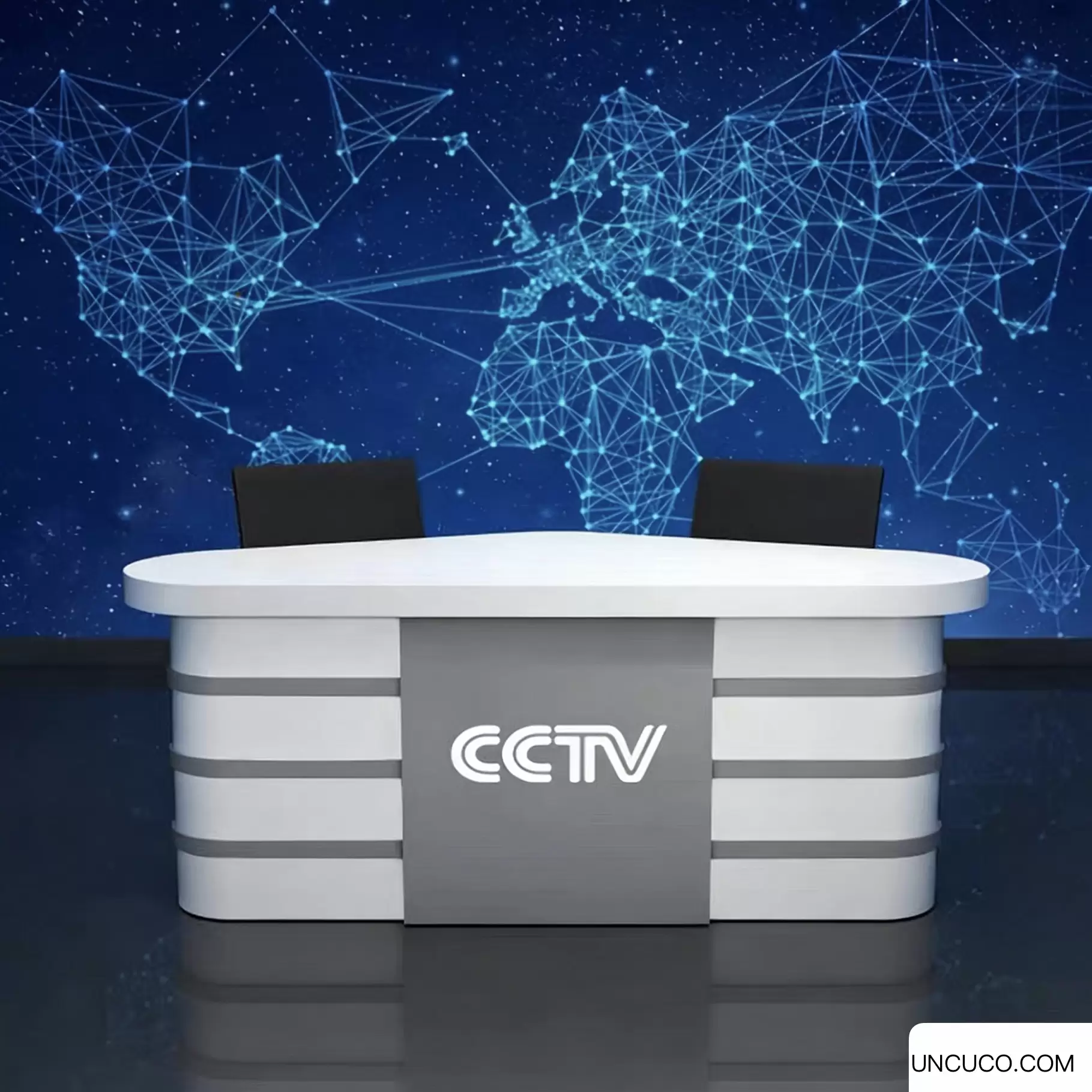

UNCUCO T-08 TV Broadcast Studio Desk Modern & Customizable Workstation
Original price was: $1,854.00.$1,498.00Current price is: $1,498.00.
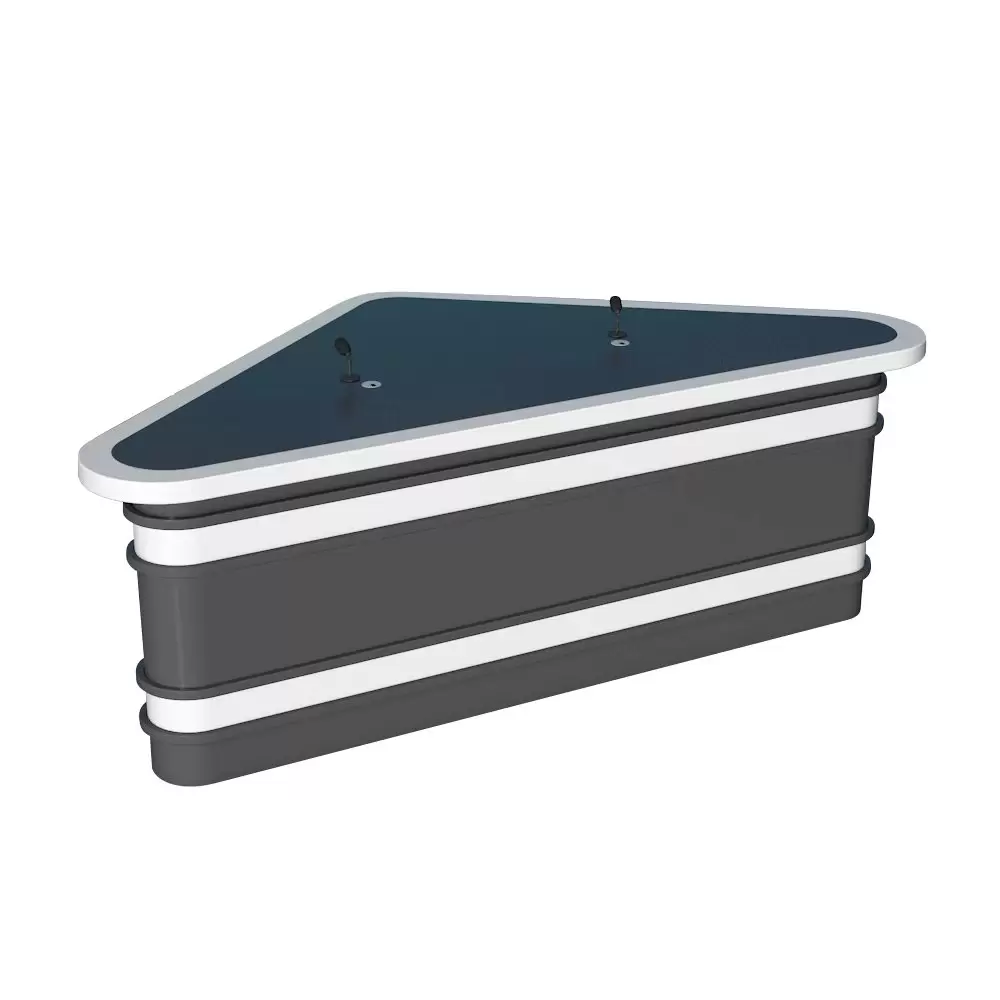
UNCUCO T-09 Studio Live Anchor News Table For TV Broadcast Station
Original price was: $1,987.00.$998.00Current price is: $998.00.
UNCUCO T-10 News Anchor Desk for Newscast Studio Broadcast Professionals
Original price was: $1,870.00.$1,553.00Current price is: $1,553.00.
UNCUCO T-11 Video Studio Table Desk For Anchor News TV Channel
Original price was: $1,810.00.$1,560.00Current price is: $1,560.00.