


Published: April 2026 | Reading Time: 8 min | Tags: creator economy world cup 2026, sports podcast opportunity, podcast setup, content creator studio
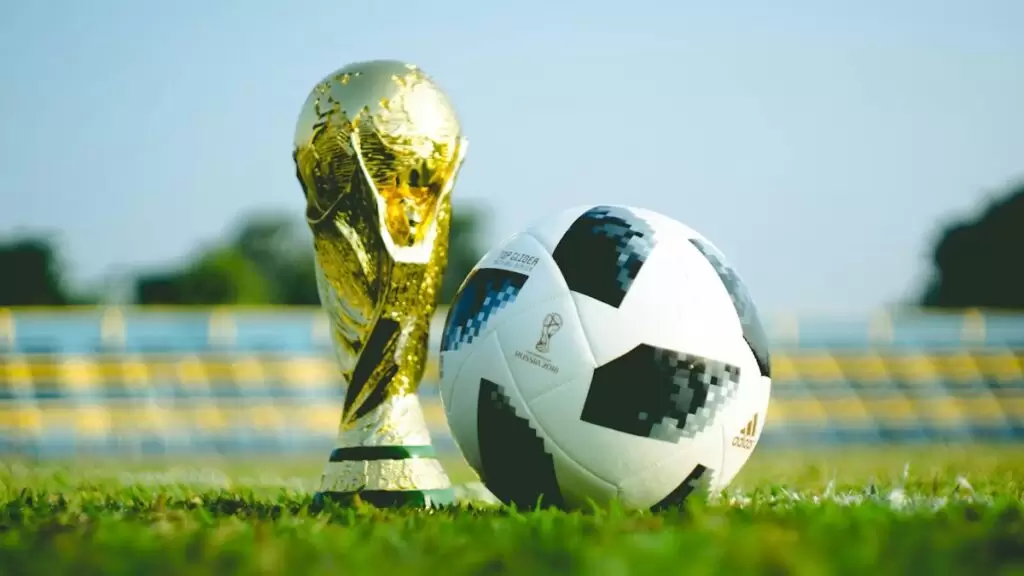
The 2026 FIFA World Cup spans three nations and 16 host cities — the biggest sporting stage in history.
Introduction: A Once-in-a-Generation Content Gold Rush
Every four years, the FIFA World Cup rewrites the rules of global attention. But 2026 is different. This is the first World Cup with 48 teams, 104 matches, and three host nations (United States, Canada, and Mexico) — running from June 11 to July 19, 2026.
For sports podcasters, YouTube commentators, Twitch streamers, and independent sports journalists, this isn’t just a football tournament. It’s the single biggest content opportunity of the decade.
If you’ve been waiting for the right moment to invest in a professional studio setup, the moment is now. In this guide, we’ll break down exactly why 2026 is the creator economy’s World Cup moment — and what you need to do to capitalize on it.
1. The Numbers Don’t Lie: Creator Economy Scale in 2026
The creator economy has grown from a niche hobby into a $250 billion industry as of 2025, with sports content at the absolute heart of its expansion. Consider these figures heading into the tournament:
- Over 200 million YouTube channels globally produce sports-related content
- The sports podcast market is projected to grow at ~14% CAGR through 2027
- During the 2022 Qatar World Cup, podcast downloads for football-related shows spiked by over 300% in the tournament weeks
- Short-form sports content on TikTok, Instagram Reels, and YouTube Shorts generated billions of views during the 2022 tournament — and the format has only grown since
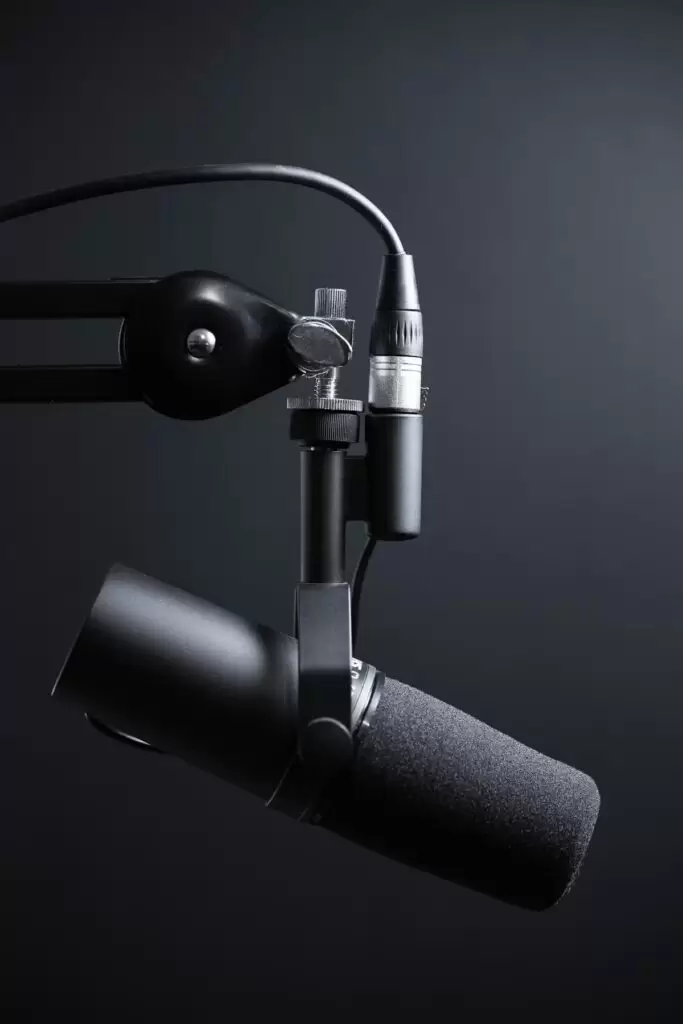
Sports podcasters saw a 300%+ spike in downloads during the 2022 World Cup. In 2026, the scale is set to be even larger.
The 2026 tournament will be played across cities including Dallas, Los Angeles, Miami, New York, and San Francisco — all major content creation hubs. Local creators in these cities have an unprecedented opportunity to produce geo-targeted, community-driven content for their home market audiences.
2. 48 Teams = Exponentially More Stories, More Content, More Revenue
The most important structural change in 2026 isn’t just the number of games — it’s the volume of narratives.
The jump from 32 to 48 teams means: Format Teams Matches Group Stage Matches Qatar 2022 32 64 48 USA/Canada/Mexico 20264810472
That’s 40 additional matches and dozens of new national teams making their World Cup debuts. Think of the stories:
- First-time qualifiers bringing passionate diaspora audiences (think Morocco 2022 — now imagine 16 new versions of that)
- 48 different national tactical styles for analysts to break down
- Extended group stage means more elimination drama and more talking points across 6+ weeks
For a sports podcaster, this isn’t just more content — it’s a longer monetization window. The tournament runs for 39 days. That’s 39 days of pre-show analysis, live reaction episodes, post-match breakdowns, weekly roundups, and deep-dive tactics episodes.
Key insight: In 2022, many podcasters ran out of content after their team was eliminated. In 2026, with 48 teams, there are always three or four compelling storylines running simultaneously — keeping audiences engaged regardless of their national allegiance.
3. Three Content Tracks — Which One Is Yours?
The creator economy for World Cup 2026 will play out across three distinct content tracks. Understanding which one aligns with your strengths is the first step to building the right studio setup.
🎙️ Track 1: The Podcast & Audio Analysis Lane
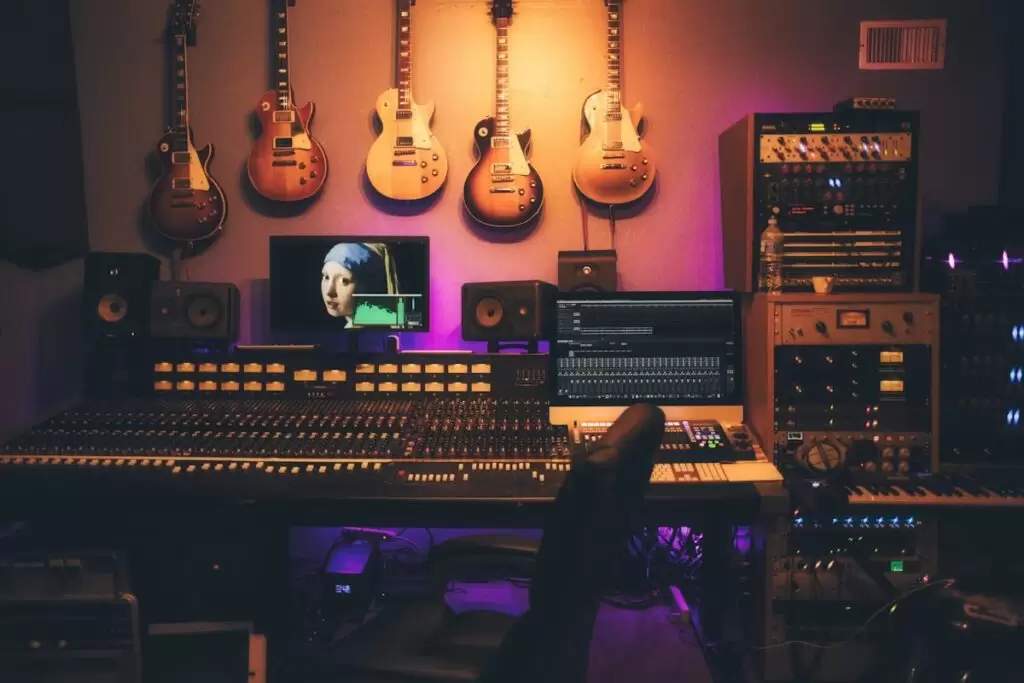
A clean, professional podcast setup signals credibility to both your audience and potential sponsors.
This is the highest-monetization track for independent creators. Sports podcasts have been the fastest-growing podcast genre for three consecutive years, and World Cup cycles are their Super Bowl.
What the audience wants:
- Pre-match tactical analysis (“Can Morocco neutralize Argentina’s press?”)
- Post-match emotional breakdowns within 60 minutes of final whistle
- Weekly guest interviews with former players, coaches, and journalists
- Long-form narrative storytelling about teams and their journeys
Studio requirements for this track:
- A dedicated podcast desk with cable management and mic arm mounting points
- Acoustic treatment behind the desk to reduce reverb
- Multi-seat capability for two or three co-hosts or a live guest
- Professional appearance for video-forward podcast episodes (Spotify, YouTube)
Monetization potential: A mid-tier sports podcast with 20,000–50,000 downloads per episode can realistically command $3,000–$8,000 per sponsorship slot during the World Cup window. Major sports betting, streaming, and apparel brands actively seek podcast placements during the tournament.
📺 Track 2: The Live Broadcast & Commentary Studio
This track is growing fastest among local broadcasters, university sports media departments, and corporate communications teams who want to produce professional World Cup coverage for their communities or internal audiences.
The 2026 tournament’s US-centric schedule means broadcasts will be in primetime or early evening for most American audiences — a scheduling gift for live creators who struggled with late-night Qatar kickoffs.
What success looks like:
- A visually credible news anchor desk that communicates authority on camera
- Consistent lighting setup that reads professionally on 4K streams
- Clean background that doesn’t distract from your analysis
- Technical reliability for 90+ minute live sessions per match
Think of every local TV sports anchor you’ve ever watched during a tournament. Their desk, their background, their professional setup — that’s what signals credibility to viewers. The barrier to achieving that standard has never been lower for independent creators.
🎵 Track 3: The Studio Production & Audio Branding Lane
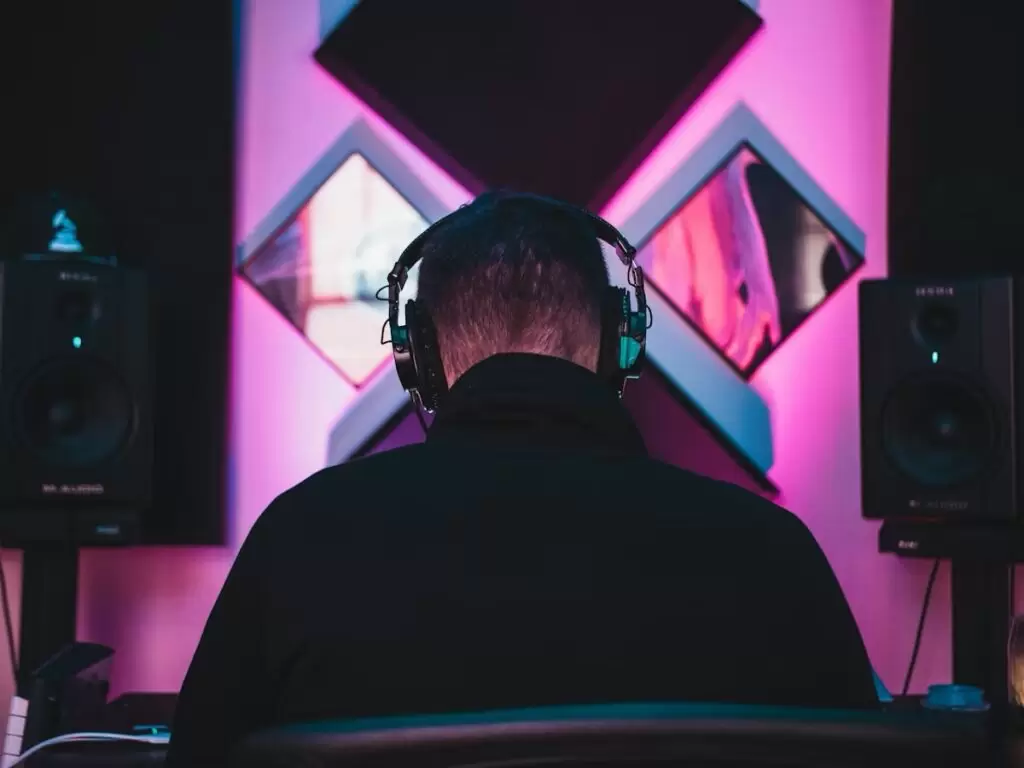
Music producers and audio engineers have a critical role in the World Cup content ecosystem — from show intros to brand partnerships.
Often overlooked, this is the track for audio producers, sound designers, and music creators who power the creator ecosystem from behind the scenes:
- Intro/outro music for sports podcasts and YouTube channels (growing market)
- World Cup theme remixes and reaction content with original production
- Advertising jingles and audio branding for brands running World Cup campaigns
- Post-production audio cleanup for podcast editors and video producers
A professional studio recording desk gives you the organized, distraction-free environment to turn around high-quality audio fast — which is exactly what the live tournament’s 24-hour content cycle demands.
4. The ROI Case for Investing in Your Setup Now
Let’s talk numbers, because this is ultimately a business decision.
The question isn’t “Can I afford to upgrade my studio?” It’s “Can I afford not to — given what’s coming?”
The Cost of Looking Amateur
In the creator economy, visual professionalism is a trust signal. An audience that sees a cluttered, makeshift desk subconsciously questions your authority as an analyst. Sponsors actively filter out creators whose visual production doesn’t match broadcast standards.
A proper professional desk setup is a one-time capital investment that pays returns across:
- This World Cup window (June–July 2026)
- The 2026–27 club football season
- The 2027 Women’s World Cup
- Euro 2028
- And every piece of content you create in between
A Simple ROI Framework
Investment One-Time Cost Revenue Potential Per World Cup Cycle Professional podcast desk setup $800–$2,500 $5,000–$40,000 (sponsorships + memberships) News anchor desk setup $1,500–$4,000 $10,000–$80,000 (B2B broadcast contracts, ad revenue) Studio recording desk $1,000–$3,000 $3,000–$25,000 (production commissions, brand work)
Revenue estimates based on mid-tier creator benchmarks. Results vary by audience size, niche, and market.
The math is straightforward: a single World Cup sponsorship deal with a mid-tier brand can recover the full cost of your setup investment in one transaction.
The “Setup Tax” Problem
There’s a hidden cost that most creators don’t account for: the mental and logistical overhead of working in a disorganized, under-equipped space.
Every time you spend 10 minutes managing cables, adjusting a wobbly mic arm, or resetting your makeshift background before a recording, you’re spending creative energy that should be going into your content. During a 39-day tournament with multiple recording sessions per week, that friction compounds fast.
A purpose-built professional desk removes the setup tax entirely — you sit down, and you’re ready to go.
5. The 2026 Creator’s Competitive Landscape

Professional presentation sets top creators apart in an increasingly crowded sports content market.
Here’s something important to understand about the sports podcast space heading into 2026: it’s getting more crowded, not less.
Every major sports network (ESPN, CBS Sports, The Athletic, Sky Sports) has expanded its podcast operation. Spotify, Apple, and Amazon have all invested heavily in sports audio content. The barrier to starting a podcast has never been lower.
What this means for independent creators is that differentiation through production quality is no longer optional — it’s a competitive requirement.
In 2019, a decent USB microphone and a quiet room was enough to stand out. In 2026, your competition includes:
- Professionally produced shows from major media companies
- Ex-players and coaches with huge existing followings
- International creators with multilingual reach across the 48-nation field
The independent creators who will break through are those who combine authentic perspective with professional presentation. You likely already have the perspective. The setup is the part you can control — starting today.
6. Local SEO Opportunity: The 16 Host City Advantage
One of the most underutilized creator economy opportunities for 2026 is hyperlocal content.
With matches in 16 cities across North America, there is genuine demand for city-specific World Cup content:
- “World Cup watch parties in Dallas”
- “Los Angeles World Cup fan zones”
- “Best bars to watch World Cup in Miami”
Creators who are physically present in host cities and producing content about the local experience have an SEO and audience-building opportunity that national outlets simply cannot replicate at scale.
If you’re based in or near a host city, consider producing content that serves the local fan community — this is a traffic source that will compound well beyond the tournament itself.
Host cities for reference: New York/New Jersey, Los Angeles, Dallas, San Francisco Bay Area, Miami, Boston, Seattle, Houston, Philadelphia, Kansas City, Atlanta, Vancouver, Toronto, Guadalajara, Mexico City, Monterrey.
7. Your World Cup Setup Checklist
Before the opening match on June 11, 2026, here’s what your creator setup should include:
For Podcast Creators:
- [ ] Professional podcast desk with mic arm mounting and cable channels
- [ ] Acoustic panels or treatment behind your recording position
- [ ] High-quality condenser or dynamic microphone (minimum two if co-hosting)
- [ ] Interface with low-latency monitoring
- [ ] Consistent lighting setup for video-forward episodes
- [ ] Reliable recording/editing software workflow
For Broadcast/Commentary Creators:
- [ ] News anchor-style desk with clean, professional sightlines
- [ ] 4K-capable camera positioned at eye level
- [ ] Controlled background (solid color, branded elements, or subtle set design)
- [ ] Teleprompter-friendly desk height for scripted segments
- [ ] Reliable internet connection with backup option for live streams
For Studio Producers:
- [ ] Organized recording desk with audio interface, monitors, and DAW workflow
- [ ] Proper acoustic treatment to ensure accurate mix monitoring
- [ ] Session template pre-built for World Cup content turnaround speed
- [ ] Backup storage solution for rapid delivery to clients
Frequently Asked Questions
Q: Is it too late to build an audience for the 2026 World Cup?
No. Many major sports podcasts see 40–60% of their new subscriber growth in the 6 weeks immediately before and during the tournament. Audiences actively seek new voices during the World Cup window. Start now, publish consistently, and you’ll capture tournament-driven discovery traffic.
Q: Do I need a professional desk setup if I’m just starting out?
A professional setup helps at every stage, but even for beginners, it signals long-term commitment to the craft. Audiences and sponsors both respond to creators who’ve invested in their environment — it suggests you’re serious about being here for the long term, not just chasing a trend.
Q: What’s the single most important investment for a sports podcaster heading into 2026?
A dedicated, purpose-built podcast desk. Your microphone and audio chain matter enormously for sound quality, but your desk is the foundation that makes every session faster, cleaner, and more professional — in both audio and video output.
Q: How do I find World Cup sponsors for my podcast?
Direct outreach to brands with World Cup marketing budgets (sporting goods, sports betting, streaming services, travel brands, sportswear) combined with a media kit that shows your audience demographics and engagement rates. The World Cup window sees sports media ad spend increase significantly — brands are actively looking for placement opportunities.
Q: Can a studio recording desk actually help me monetize World Cup content?
Absolutely. Audio producers who can deliver broadcast-quality intros, transitions, and music beds for other creators are in high demand during tournaments. Many podcasters will pay well for custom audio branding that makes their show sound like it belongs on ESPN.
Conclusion: The Window Is Open — For Now
The 2026 FIFA World Cup is a 39-day sprint of concentrated global attention. For creators in the sports space, it is the single best opportunity of the next four years to grow an audience, land sponsorships, and establish yourself as a credible voice in your niche.
But unlike the tournament itself, preparation has a hard deadline. The creators who will dominate the 2026 World Cup content cycle are building their setups right now — not in June.
The creator economy’s World Cup moment is here. Your setup should be too.
Start Your Setup Today
Ready to build a professional studio for the 2026 World Cup? Explore our purpose-built podcast desks, news anchor desks, and studio recording desks — designed specifically for content creators who take their craft seriously.
👉 Browse the Full Studio Desk Collection →
This article was written to help content creators, sports podcasters, and independent journalists prepare for the 2026 FIFA World Cup content opportunity. For questions about specific desk configurations for broadcast or podcast use, contact our team.
Related Articles:
- How to Build a World Cup Commentary Studio at Home
- Best Desk Setup for Sports Podcasts in 2026
- News Anchor Desk vs. Podcast Desk: Which Do You Need?
- Commentary Starter Kit: Everything You Need Before June 11
© 2026 | Optimized for: creator economy world cup 2026 · sports podcast opportunity · podcast desk setup · home broadcast studio · news anchor desk · sports content creator